
Wait Till It’s Free takes a skeptical look at America’s health care system. The documentary asks whether government involvement is solving its problems or helping create them.
Scottish filmmaker Colin Gunn directed the film. He examines rising medical costs, insurance, regulation and the push toward greater government involvement in health care.
Gunn also considers alternatives for families caught between expensive private coverage and government programs.
Questioning the Cost of “Free” Health Care
The film’s title comes from a simple idea: Making something appear free does not eliminate its cost.
Instead, Gunn asks who pays and how much control follows the money. He also questions what happens to the relationship between doctors and patients when third parties control more of the system.
To make his case, Gunn travels from Washington, D.C., to Glasgow, Paris and Brussels.
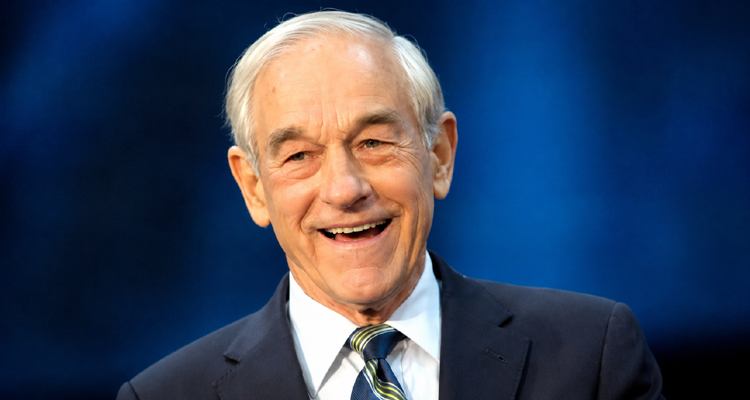
Along the way, he interviews former U.S. Rep. Ron Paul and Whole Foods Market co-founder John Mackey. He also speaks with retired physician and writer Theodore Dalrymple and British member of the European Parliament Daniel Hannan.
The documentary includes doctors and patients as well. Their stories give Gunn a way to compare different approaches to health care.
He focuses especially on Great Britain’s National Health Service. Gunn uses his native Scotland as one setting for examining government-funded care.
Gunn Makes the Case for Alternatives
Gunn’s conclusions are not neutral. He argues that greater government control can bring rationing, longer waits and fewer choices for patients.
He also argues that regulation can create more distance between physicians and the people they treat.
The film sharply criticizes the Affordable Care Act. Gunn places it within what he sees as a longer American movement toward government-directed medicine.
Those claims put Wait Till It’s Free inside one of the country’s most contentious policy debates.
Supporters of government-backed health care argue that public involvement can expand access. They also say it can protect families from catastrophic medical costs.
Gunn approaches the problem from the other direction. He asks whether regulation and third-party payment have helped drive prices higher while weakening competition and individual responsibility.
However, the documentary does not stop with criticism. Gunn explores alternatives such as greater price transparency, cash-based medical care, charitable clinics and voluntary health care sharing.
As a result, Wait Till It’s Free is less a survey of every position than an argument for a particular one.
Gunn wants viewers to reconsider a central assumption in modern health policy: that more government involvement will necessarily produce more affordable or humane care.
Whether audiences accept his conclusions or spend the closing credits assembling rebuttals, the film clearly wants to move the health care conversation beyond slogans.
Given the subject, finding people willing to argue about it afterward should not be difficult.